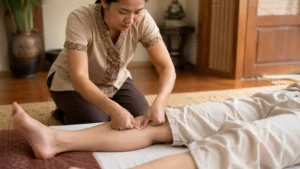
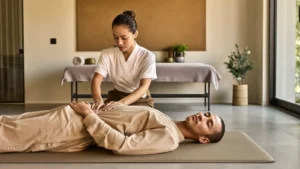
Deep tissue massage offers something different from the traditional Thai massage most visitors default to. While Thai massage focuses on stretching and energy lines, deep tissue uses sustained pressure and slow strokes to reach deeper layers of muscle and connective tissue. It isn't about floating away, it's about releasing chronic tension that lighter styles simply can't touch.
But deep tissue isn't for everyone. Some bodies need it, others are better served by something gentler. This guide explains what it actually involves, how it compares to other styles in Bangkok, and how to tell if your body is asking for this kind of targeted pressure.
Deep tissue is firm, sustained pressure aimed at chronic muscle tension and specific problem areas, not general relaxation. It's right for you if stretching and lighter massage only help for a few hours, or if you carry persistent tightness from desk work, training, or stress. If you're new to massage or have certain health conditions, start gentler.
What deep tissue massage actually does
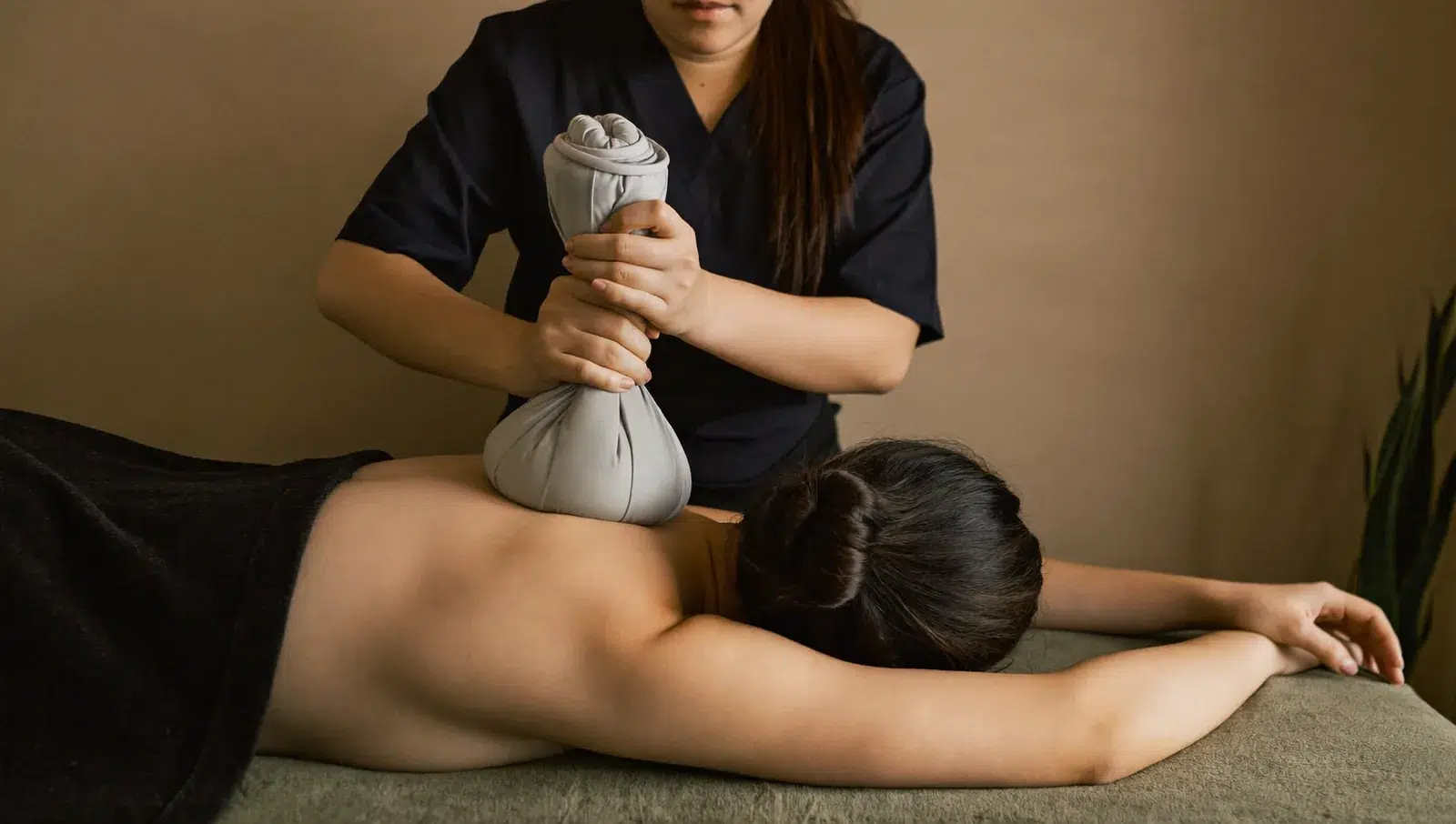
Deep tissue massage applies firm pressure and slow strokes to reach the deeper layers of muscle and connective tissue. Unlike a full-body massage for general relaxation, it focuses on specific problem areas where chronic tension has taken hold. The technique targets adhesions, those tight bands of rigid tissue that block circulation and cause pain and limited movement. As the therapist works these areas, blood flow increases, knots begin to release, and tissues that have been locked up for weeks start to let go.
Most people carry tension they no longer notice: neck strain from phones, shoulder tightness from desk work, lower-back tension from sitting. What starts as temporary stiffness becomes chronic tightness that feels normal. Deep tissue interrupts that cycle by working directly on the muscle causing the restriction. The nervous system responds too, so as tight muscles release, stress eases and many people report better sleep and mood after regular sessions.
How deep tissue differs from Thai and oil massage
Bangkok offers several styles, and they approach the body in completely different ways:
| Style | Technique | Best for |
|---|---|---|
| Thai massage | Assisted stretching and compression along energy lines | Flexibility and a full-body reset |
| Oil massage | Long, flowing strokes with warm oil | Deep relaxation and stress relief |
| Deep tissue | Slow strokes and strong, sustained pressure | Chronic pain and targeted muscle work |
Traditional Thai massage is active and energising, leaving you feeling lengthened rather than melted. Oil massage is the gentle option, calming the nervous system without intensity. Deep tissue sits in different territory: less movement, more sustained focus on problem areas, breaking up tightness that other styles don't reach. For the lighter styles, our Thai massage versus oil massage guide goes deeper. But if you're dealing with genuine pain or tension that affects daily life, deep tissue is likely what your body needs.
Signs your body is asking for deep tissue
- Stretching, foam rolling, and hot baths help, but the tightness returns within hours.
- Your range of motion is limited: turning your head or rotating your shoulders feels restricted.
- You wake up stiff or need twenty minutes to loosen up after sitting.
- You train hard. Athletes, runners, and gym regulars develop tight spots from repetitive movement.
- You carry stress physically, in your shoulders, jaw, lower back, or hips.
If several of these fit, your body is probably asking for something more therapeutic than a relaxing massage. For back issues specifically, our massage for back pain guide breaks down which styles help.
What to expect during your first session
Before starting, the therapist asks about problem areas, pain levels, and your goals, which shapes the whole session, so be specific. Good therapists don't start at maximum intensity: they warm the tissue with lighter strokes first, then work progressively deeper as your muscles allow. Pressure preferences vary a lot, so speak up at any point to adjust. When the therapist finds a knot, you'll notice it, and the sensation should feel like a "good hurt" where something is releasing. Breathe slowly and steadily, since holding your breath makes the work harder. Deep tissue takes time, so it benefits from a longer appointment. For the logistics of booking to your hotel, see our guide to in-room hotel massage.

Pain vs progress: understanding the intensity
This is where deep tissue gets misunderstood. Some people assume it should hurt and grit through sessions that leave them bruised, but excessive pain makes muscles tighten defensively, which works against the whole point. Others avoid it entirely over exaggerated horror stories and miss out on real relief. The reality sits between the two: deep tissue does feel intense and you'll notice the pressure, with moments of discomfort as stubborn knots release, but well-done work should never make you wince or hold your breath. A useful guideline is simple: if you can breathe through it, you're in productive territory; if you can't, the pressure is too much. Afterwards, some soreness over a day or two is normal, more like post-workout tenderness than injury.
Who should skip deep tissue massage
It delivers real benefits, but it isn't right for everyone. Take care or choose a different approach if any of these apply:
- Recent injuries or active inflammation. Deep pressure on a swollen or recently injured area can slow healing. Let it recover first.
- Certain medical conditions. Blood-clotting disorders, recent surgery, severe osteoporosis, and some cardiovascular conditions need medical clearance first. When in doubt, check with a doctor.
- Pregnancy. Deep tissue is not recommended; prenatal massage uses different, safer techniques.
- Skin issues. Avoid areas with a rash, sunburn, or infection, and tell your therapist beforehand.
- First-time massage. If you've never had a professional massage, an oil or gentle Thai session is a better introduction than starting with deep tissue.
After your deep tissue session
Deep tissue keeps working after the treatment ends. Drink plenty of water, avoid strenuous activity for the rest of the day, and let your body integrate the release. The full effect sometimes takes a day or two to show up as muscles continue to relax and movement opens up. One session helps, but chronic issues usually need several treatments to fully resolve. For chronic pain, weekly or biweekly sessions work best at first, then monthly maintenance keeps things manageable; athletes and people with demanding jobs often keep a regular schedule as prevention. After that, listen to your body: if tension returns quickly, more frequent treatment may help break the pattern.

Bangkok has no shortage of massage, but quality deep tissue takes some selectivity, since many places offer "deep tissue" that's really just firm-pressure oil work. A trained therapist understands anatomy and reads the body's responses, adjusting to what your tissue does rather than the clock. Outcall services bring that to your hotel or condo, so you stay relaxed instead of rejoining the traffic straight after. Our outcall massage guide covers booking and what areas are served, and we also bring deep tissue across central Bangkok. For tipping after your session, see the tipping guide.
Frequently asked questions
Does deep tissue massage hurt?
It's intense but shouldn't be genuinely painful. You'll feel strong pressure and moments of discomfort as knots release. If you're holding your breath or wanting to pull away, the pressure is too much, so tell the therapist to ease off.
How is deep tissue different from Thai massage?
Thai massage uses assisted stretching and compression along energy lines for flexibility. Deep tissue uses sustained pressure and slow strokes to reach deeper muscle layers and target chronic pain. Different techniques, different goals.
What does deep tissue feel like?
Firm pressure you'll definitely notice, with a "good hurt" sensation over tight areas as something releases. Afterwards, mild soreness like post-workout tenderness is common for a day or two.
How long should a deep tissue session be?
Usually 60 to 90 minutes. The technique needs time to warm the tissue and work through layers, so a longer appointment allows more thorough work on problem areas.
Can deep tissue massage come to my hotel?
Yes. Outcall services bring professional deep tissue to hotels, condos, and serviced apartments across central Bangkok. The therapist handles all setup; you just provide the space.
How often should I book deep tissue?
For chronic issues, weekly or biweekly at first makes the most progress. Once tension improves, monthly maintenance suits most people, while athletes often keep a regular schedule.
Ready to release the tension?
Divine Thai Spa brings professional deep tissue massage to your hotel or condo across Bangkok, with trained therapists and all equipment included. No traffic, no rush after, just results.
Book a deep tissue massage