You are in Bangkok, you want a massage, and then you open the menu and see traditional Thai, oil, aromatherapy, deep tissue, foot massage, and half a dozen other options. Simple suddenly becomes confusing.
The Thai massage vs oil massage question comes up constantly. Both are everywhere in Bangkok, from street-side shops to professional spas, and both have devoted fans. But they are genuinely different experiences, and knowing the difference helps you pick the one your body actually needs. Here is the honest breakdown.
- Thai massage: clothed, on a mat, no oil. Pressure and assisted stretching. You leave energised. Best for stiffness and flexibility.
- Oil massage: draped with a towel, on a padded table, warm oil. Long gliding strokes. You leave relaxed. Best for deep relaxation and muscle work.
- Want both? Many sessions combine them. The only wrong choice is skipping the massage.
What is traditional Thai massage?
Traditional Thai massage is traced back more than 2,000 years. It grew out of traditional Thai medicine, blending Indian Ayurvedic ideas, Chinese healing techniques, and Buddhist philosophy. At Bangkok's Wat Pho temple you can still see ancient diagrams mapping the body's energy lines. It was recognised by UNESCO as cultural heritage in 2019, so this is a documented healing tradition, not spa fluff. For the full story, see our guide to what Nuad Thai is.
How it actually works
Thai massage is performed on a firm floor mat. You stay fully clothed in loose garments, and no oil touches your skin. The therapist uses hands, elbows, knees, and feet to apply pressure along the body's energy lines, also called sen lines. Then comes the stretching. Assisted stretching is a huge part of the practice. The therapist moves your body into positions, some resembling yoga poses, while applying pressure. Your joints get mobilised and your muscles get lengthened. People call it lazy person's yoga for a reason. You can read more on our traditional Thai massage in Bangkok page.
What it feels like
Expect movement. Your body will not stay in one position for long. The pressure ranges from gentle to quite strong depending on what you ask for, and some stretches feel intense. You might hear small pops as joints release. It is active, not passive, so you are unlikely to fall asleep. Afterwards, many people feel energised rather than drowsy, with looser muscles and better flexibility.

What is oil massage?
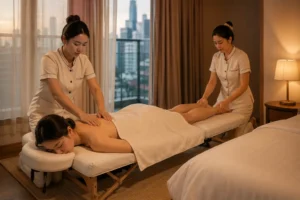
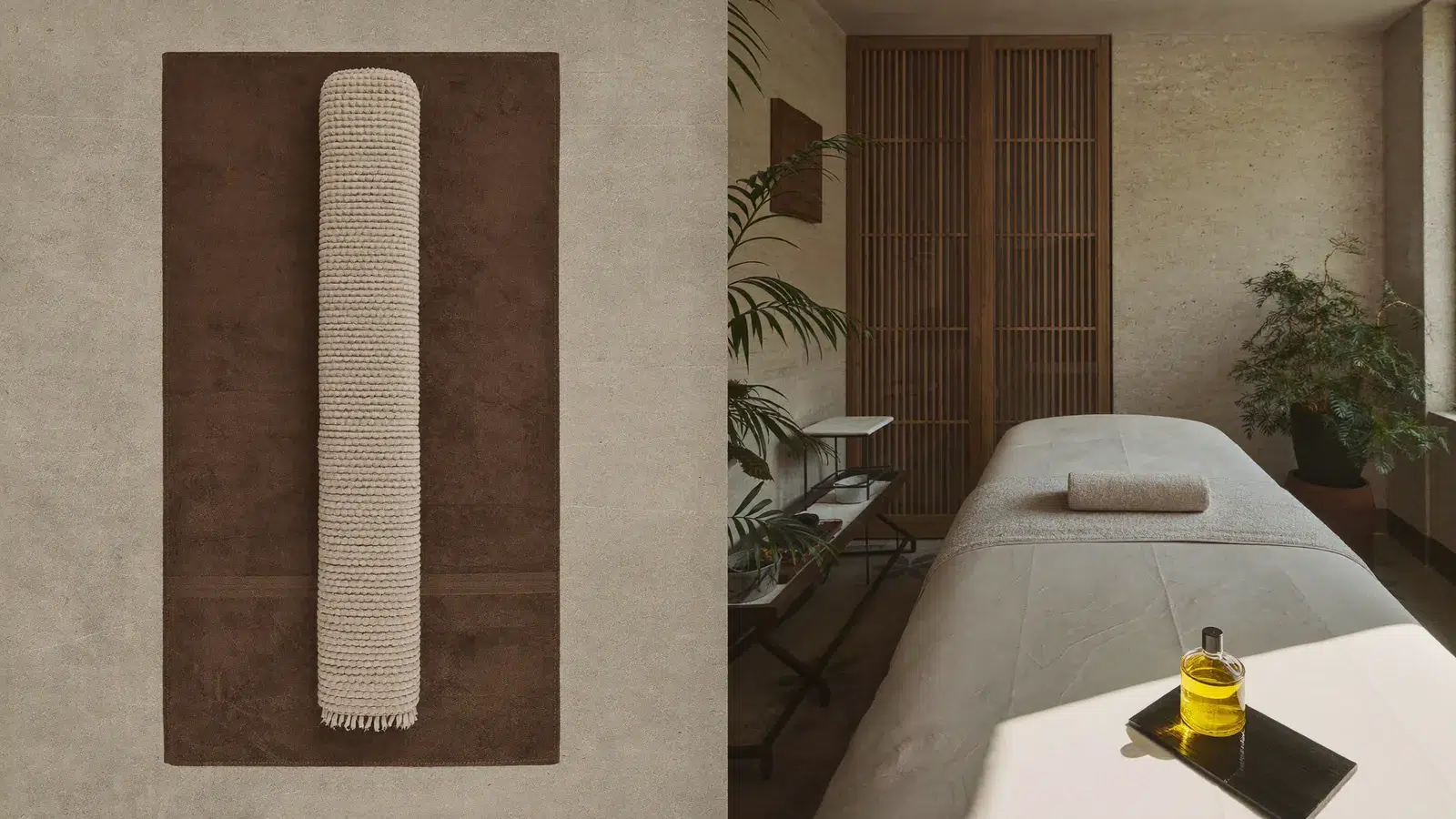
Oil massage is what most visitors picture when they think "massage." You undress to your comfort level, lie on a padded table, and stay professionally draped with towels throughout. The therapist applies warm oil and uses flowing strokes to work your muscles. It is smooth, rhythmic, and deeply relaxing in a way that quiets your nervous system.
The styles within oil massage
Oil massage is a category, not one thing. Swedish style uses long gliding strokes with moderate pressure, the classic relaxing experience. Deep tissue massage goes deeper to reach chronic tension and knots, using slower strokes and firmer pressure for muscles that surface work cannot touch. Aromatherapy massage adds essential oils such as lavender for calm, eucalyptus for muscle relief, or peppermint for energy, so the scent works alongside the muscle work. Some places offer hot stones as an add-on to warm the muscles before deeper work. Our relaxing oil massage in Bangkok page covers the options.
What it feels like
Smooth and continuous. The therapist keeps contact with your body in a steady rhythm, moving from one area to the next without abrupt transitions. Warm oil on the skin simply feels good, and the gliding strokes are easier for many people to relax into than the active pressure of Thai massage. You might actually fall asleep, and that is normal. As a small bonus, the oil leaves your skin softer afterwards.

Key differences at a glance
Here is where the comparison gets concrete.
| Thai massage | Oil massage | |
|---|---|---|
| Clothing | Stay clothed | Undressed, draped with a towel |
| Oil | None used | Warm oil applied |
| Setting | Firm floor mat | Padded table |
| Pressure style | Targeted pressure points | Gliding strokes |
| Movement | Lots of stretching | You stay still |
| How you feel after | Energised | Relaxed, sleepy |

Which should you choose?
Choose Thai massage if
- You have been sitting on planes or trains for hours and feel compressed.
- Your tension shows up as stiffness rather than pain.
- You want to feel energised, not sleepy, with plans afterwards.
- You prefer staying fully clothed.
- You want better flexibility and range of motion, not just relaxation.
Choose oil massage if
- You want to fully relax and maybe fall asleep.
- You have specific muscle tension that needs targeted work.
- You enjoy warm oil and the scent of aromatherapy.
- Your stress lives in your body as tight muscles.
- You want better circulation and softer skin afterwards.
Can you combine both?
Yes, and honestly this is often the best experience. Many professional spas and outcall services in Bangkok offer combination treatments. You might get 30 minutes of Thai stretching followed by 30 minutes of oil work, or aromatherapy with some Thai-style pressure mixed in. You get the flexibility from the stretching plus the deep relaxation of warm oil. If you are booking with Divine Thai Spa, just ask about combining styles, and a good therapist will blend the techniques around what your body needs.
What about foot massage?
Foot massage deserves a mention because it is everywhere in Bangkok and genuinely good after long days of walking. Thai foot massage focuses on pressure points in the feet that are believed to connect with the rest of the body, so it is essentially reflexology with Thai techniques. You stay clothed, sit in a chair, and let someone work on your tired feet. It is not a full-body treatment, but after 20,000 steps around temples and markets it hits differently, and it pairs well with either Thai or oil massage if you want a longer session.

Practical tips for booking in Bangkok
Communicate your preferences
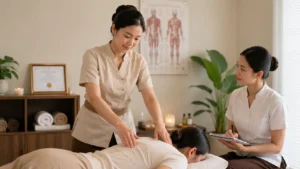
Before the session starts, tell your therapist what you want: strong pressure or gentle relaxation, focus areas, and anything to avoid. A good therapist adjusts to feedback, so speak up during the massage too. "Lighter please" or "more pressure there" is completely normal.
Consider your schedule
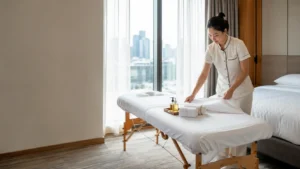
Thai massage before activities, oil massage before bed. If you are getting an in-room hotel massage at night, oil makes sense because you can shower and sleep right after. Thai massage midday works well because you will feel ready to explore afterwards.
Hydrate after
Both styles release tension stored in muscle tissue, so drink plenty of water afterwards to help your body flush what gets released. It genuinely helps you feel better the next day.
Tipping
See the Thai massage tipping guide for the details, but 100 to 300 baht is standard for good service.
Frequently asked questions
Which massage is better for stress relief?
Both reduce stress, but differently. Thai massage releases it through movement and pressure point work. Oil massage calms your nervous system through gentle, continuous rhythm. If stress sits in your mind as anxiety, oil massage may suit you better. If it shows up as physical tension, Thai massage addresses it more directly.
Is Thai massage painful?
It can be intense but should not be painful. Talk to your therapist about pressure. Some stretches feel strong, but actual pain means something is wrong, so speak up.
Can I get an oil massage if I have sensitive skin?
Yes. Ask for unscented oil or a lighter aromatherapy blend. Professional spas use quality oils that work for most skin types. Mention any allergies when you book.
Which massage is better after a long flight?
Thai massage. The stretching counteracts hours of cramped sitting and helps with circulation and that stiff, compressed feeling. Oil massage is better once you have recovered and just want to relax.
How do I know if the therapist is good?
A good therapist asks questions before starting, adjusts based on your responses, and checks in during the session. They work with intention rather than going through the motions. Reviews help, but your own experience is the real test.
What should I wear for Thai massage?
Loose, comfortable clothing. Most places provide a set to change into. If you are booking a home massage, wear something you can move in and avoid jeans or anything restrictive.
Thai massage and oil massage are not competing. They are different tools for different needs. Want energy, flexibility, and active tension release? Choose Thai. Want deep relaxation, muscle work, and sensory comfort? Choose oil. Want both? Combine them.
Book your session
Divine Thai Spa brings both traditional Thai massage and oil massage to your hotel or condo across Bangkok. Sessions from 900 baht, professional therapists, all equipment provided.
book a massage