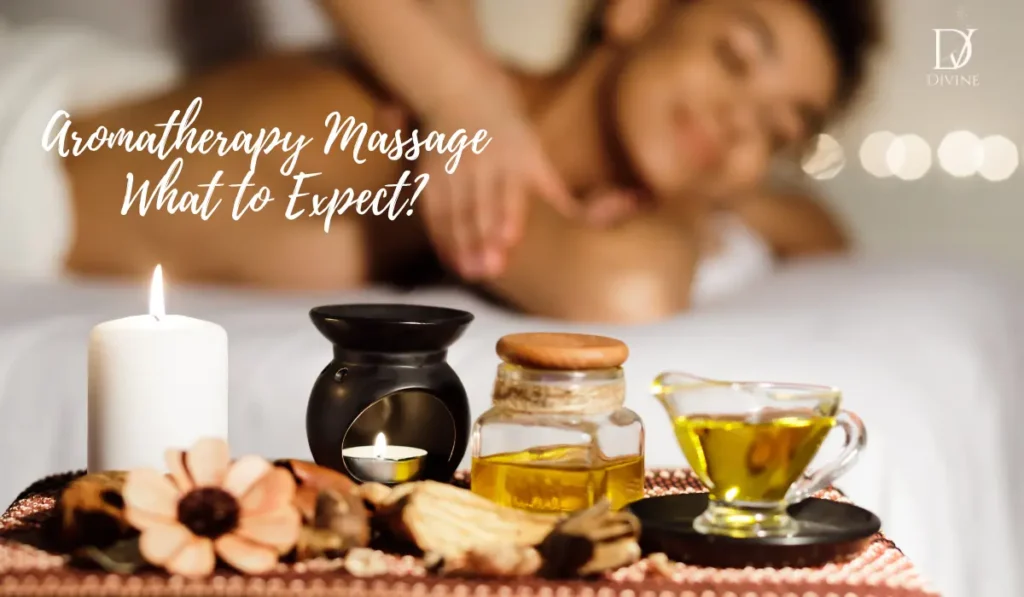
Aromatherapy Massage Bangkok. What to Expect?
Table of Contents
Bangkok wears you down in small ways. The heat, the noise, the walking, the late nights that turn into early mornings. By the time most travelers lie down for a treatment, the tension has already settled into the neck and shoulders and refused to leave.
An aromatherapy massage in Bangkok is built for that exact state. It takes the soothing touch of a good oil massage and layers the therapeutic qualities of essential oils on top, so the work reaches the body and the mind in the same hour.
Think of it as a sensory experience before it is a treatment. Warm oil. Soft scent in the air. Slow, unhurried hands. Anyone who has only tried a brisk Thai massage on a side street tends to be surprised by how different an aroma massage feels.
Here is what to expect before booking one.
What is aromatherapy massage?
At its simplest, an aromatherapy massage is a gentle full body massage that uses essential oils to deepen relaxation and support overall well being.
The hands-on part looks a lot like any oil treatment. A therapist warms the oil, then moves across the skin with long, flowing strokes and slow circular movements. What changes the experience is the scent rising off the oil while that happens.
There is a reason it gets called a holistic approach rather than just a back rub. Once the oils touch the skin, the body absorbs them and carries them into the bloodstream within minutes. At the same time, the aroma reaches the brain through the olfactory system.
So two things run in parallel. The skilled massage techniques handle physical relaxation, easing the muscles and quieting the body. The scent handles the other half, nudging the mind toward emotional balance.
That split is the whole identity of an aromatherapy massage. Strip the oils out and it is an ordinary rubdown. Add them, and you have something that works on mood as much as muscle.
The healing power of essential oils
Smell is the fastest sense the body has. It skips the slow processing the brain gives to sight and sound and goes almost straight to the emotional core.
Breathe in certain essential oils and the aroma reaches the brain's limbic system, the cluster that runs emotion, memory, and the stress response. That contact is not subtle. Inhaling specific plant oils has been linked to lower cortisol, the hormone the body floods itself with under stress.
It is why the nervous system often starts to downshift only a few minutes into a session, before the therapist has done much at all. The scent does some of the work on its own.
The skin route adds the rest. As the oils absorb, their therapeutic benefits travel through the bloodstream rather than sitting on the surface. That double action, through the nose and through the skin, is what makes an aroma oil massage feel less like pampering and more like the body resetting itself.
Common essential oils used in an aroma massage
No two appointments smell the same, and that is the point. A good therapist treats the oil blend as part of the treatment, choosing it around the body and mood in front of them.
Lavender
The scent people associate with sleep and quiet. Lowers the noise in a busy head and works on cortisol. The starting point for anyone carrying chronic tension.
Lemongrass
Sharp, green, unmistakably Thai. Sits in the energy boosting camp rather than the sedative one. A smart pick for that flat, jet-lagged state.
Eucalyptus & Peppermint
The clear-your-head group. Often suggested when the goal is mental clarity, or when a dull tension headache is sitting behind the eyes.
Tea Tree Oil
Barely reads as a fragrance. Goes in for its therapeutic qualities and its long reputation for looking after the skin.
Sweet Orange & Citrus
For feeling brighter. Leans toward an improved mood and a general lift rather than deep sedation. Suits a daytime session.
Ginger & Warming Oils
When the body is the priority. Gets worked into tight muscles and stubborn spots where a little heat helps the tissue let go.
These aromatherapy oils each pull in a slightly different direction, which is why the blend is a conversation rather than a default. If you have any skin sensitivities or react to strong scents, raise it early, since the therapist can move to a gentler aroma oil or thin the mix out.
How aroma oil massage differs from a regular oil massage
Side by side, the two are easy to confuse. Warm oil, gliding strokes, low light, a calm room.
The real difference is intent, and it changes what you walk out with.
The Key Difference
Regular Oil Massage
Built around the body. The strokes promote relaxation, ease muscle soreness, and improve blood circulation. Physical relaxation, start to finish.
Aromatherapy Massage
Keeps all of that and adds a second layer. The same bodywork plus essential oils working on the emotional side through scent.
An aroma oil massage keeps all of that and adds a second layer. The same gliding strokes still loosen the body and promote lymphatic drainage, still coax the parasympathetic nervous system into taking over from the stressed, switched-on state most travelers arrive in. But the essential oils are working the whole time too, on the emotional side, through scent.
The result is a matter of degree. A standard session leaves the body loose. An aromatherapy session leaves the body loose and the mind noticeably quieter.
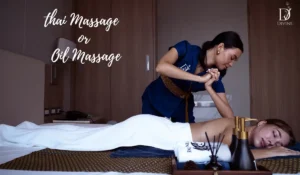
Anyone curious about the plainer version can read how Divine Thai Spa describes its Thai massage vs oil massage guide, which covers the key differences between massage styles.
How it compares to a traditional Thai massage
Set aromatherapy next to Thai work and they almost look like opposites.
A traditional Thai massage uses no oil at all. It runs on assisted stretching, pressure points, and rhythmic compression, with the therapist using hands, elbows, and bodyweight to move energy along the body's lines. It is active, sometimes demanding, and you finish feeling stretched out rather than melted.
Aromatherapy is the soft counterpart to that. There is no deep pressure and nobody folds your legs into a pretzel. The whole thing is built on soothing touch, warm oil, and scent, with the body kept passive throughout.
The choice comes down to what the day calls for. A deep stretch and a reset of stiff joints points toward traditional Thai. A racing mind and a need to genuinely switch off points toward aroma oil.
Travelers weighing the two can compare them through Divine's guide to traditional Thai massage.
The physical benefits of an aromatherapy massage
The scent gets the headlines, but the bodywork underneath is real.
Most of the value comes from the movement of the hands. The long strokes and circular movements go a long way toward relieving muscle tension, and over a full session they help release muscle tension that has built up from hours on planes, at desks, or hauling bags around an unfamiliar city.
Better Circulation
Oxygen and nutrients reach tired tissue faster, shortening recovery and taking the edge off muscle soreness.
Improved Mobility
As muscle relaxation sets in, range of motion opens up and joint mobility can improve across sessions.
Gentle Pain Relief
Steady, gentle maintenance that offers consistent relief without the bruising intensity of deeper work.
Skin Benefits
Many oils moisturize and nourish the skin as they absorb, with some supporting the immune system.
It is not a cure for everything. Someone managing real chronic pain or long-held chronic tension should treat aromatherapy as steady, gentle maintenance rather than a one-off fix.
Mental and emotional benefits
This is the territory where aromatherapy actually earns its name, and where it pulls clearly ahead of a plain oil treatment.
The clearest effect is on stress. Breathing in soothing scents such as lavender helps reduce stress and slows down a mind that has been running at city pace all day. For a lot of people that single shift is the reason they booked.
Mood tends to follow. It is common to notice a real lift in mood afterward, a steadier sense of emotional balance, and a quiet feeling of well being that hangs around well past the end of the hour.
Sleep is the other big one. A session timed before bed often leads into deeper, more restful sleep, and several people report better sleep quality for a few nights running, not just the one.
Put together, it adds up to a deeply relaxing experience that resets the body and the head at once. Genuine stress relief that you can feel in your shoulders, not just describe.
What an aromatherapy body massage feels like
Knowing the shape of the session in advance takes the nerves out of a first visit.
Brief consultation
The therapist asks about pressure preference, any sore or problem areas, allergies, and any skin sensitivities, then settles on the oils to suit. It shapes the entire treatment, so be honest here rather than polite.
The atmosphere shifts
Aromatherapy is typically performed in a calm, peaceful environment, the lights low, the music soft, the kind of peaceful atmosphere designed to enhance relaxation before a hand has touched you.
The massage begins
The therapist warms the oil between their palms and starts to work across the entire body. Long, flowing strokes to begin, then gentle kneading, the pace deliberately slow.
Light-to-medium pressure throughout
This is not a treatment about deep pressure, and it is not trying to dig anything out. It runs on soothing touch and slow, even movement that lets the muscles surrender on their own time.
Full body coverage
A full body massage of this kind usually travels across the back, shoulders, arms, and legs, and often finishes at the scalp. Throughout it, the therapist leans on skilled massage techniques and steady, repeated movements rather than force.
By the end, most people land in the same place. Warm, heavy-limbed, a little drowsy. A relaxing experience that is genuinely hard to match elsewhere.
The people doing the work matter as much as the oils, and Divine's therapists in Bangkok are trained to read the body and adjust the touch as the session unfolds.
How to prepare for your session
A few small things beforehand let the treatment land properly.
Hydration comes first. Arrive well hydrated, because water helps the body clear out what the massage stirs loose and supports the better blood circulation the strokes are encouraging.
Timing around food helps too. Skip heavy meals in the hour or two before, since a full stomach makes lying face down for an hour quietly miserable.
Comfort is the easy one. Loose fitting attire means you turn up already relaxed instead of peeling out of something tight.
The last bit of prep is mental. Leave nothing urgent to rush off to afterward. The deep relaxation is the entire reason to book.
Who an aroma oil massage is best for
Aromatherapy fits some people far better than others, and it helps to know which group you are in before you book.
Anyone chasing deep relaxation and stress relief. If sleep has gone sideways, anxiety is loud, the mood is low, or a busy itinerary has left a fog that will not lift, this is the treatment that tends to help most.
Those with mild complaints. A body carrying everyday muscle tension and a few tight muscles will respond nicely, though anyone dealing with serious chronic pain is better off treating aromatherapy as a companion to firmer work.
Newcomers to massage. Nothing about it is intimidating, and there is no intense pressure. The easiest possible introduction.
Not ideal for: The person hunting pure pain relief from a single stubborn knot. A deeper, more targeted style will reach that faster.
For nearly everyone else, an aroma massage is hard to argue against.
Combining aromatherapy with Thai and deep tissue work
Aromatherapy does not have to be a standalone choice.
The common rhythm is to rotate. A deep tissue or traditional Thai session one week to break up the knots and do the heavy mechanical work, then an aromatherapy session the next for muscle relaxation, recovery, and a mental reset.
Some ask the therapist to blend the two inside one appointment. Aroma oil across most of the body for the calming, sensory side, then firmer work and a warm compress to compress muscles in the spots holding the most tension.
For anything ongoing, frequency is the real lever. More frequent sessions outperform the occasional treat, and people who commit to frequent sessions on a weekly or biweekly rhythm hold onto their progress far better than those who drop in once a season.
Anyone who wants the firmer end of that combination can look at how Divine handles its deep tissue massage.
Booking aromatherapy massage in central Bangkok
There is no real need to battle traffic for a good aromatherapy massage.
A typical Bangkok spa clusters near the BTS Skytrain to stay easy to reach. The simpler route is to remove the journey altogether and have the treatment arrive at your door instead.
That is what outcall is. The therapist brings the oils and the equipment, turns a corner of your hotel room or condo into a calm space, and recreates that peaceful atmosphere on the spot, scent and all.
Divine Thai Spa runs a private outcall massage service for condos right across central Bangkok, so the full sensory experience comes to the room rather than the other way around. Its outcall massage service delivered to your location reaches the main hotel and residential pockets of the city, including the busy stretches around Sukhumvit.
Aromatherapy is one of several styles on the menu, and it is easy to settle the details before committing to a time.
Frequently Asked Questions
Gentle, warm, and unhurried. The pressure stays light to medium, the oil is scented, and the overall effect is closer to drifting off than to a workout. Most people describe it as a deeply relaxing experience that leaves them calm and a little sleepy.
The bodywork is similar, but the intent is wider. A regular oil massage is about physical relaxation. An aromatherapy massage adds essential oils chosen for scent and effect, so it works on stress and mood alongside the muscles.
It depends on the goal of the session. Lavender for calm and sleep, lemongrass or citrus for a lift, eucalyptus or peppermint for a clear head, tea tree oil for the skin. The therapist builds the oil blend around what the body and mood need that day.
Yes. Inhaling calming oils reaches the brain's limbic system and can lower cortisol, which is what eases stress in the moment. Many people also notice better sleep quality and more restful sleep in the nights that follow.
Yes. Outcall services cover hotels and condos throughout central Bangkok. The therapist arrives with everything, sets up in the room, and there is no trip home to undo the calm afterward.
For general well being, once a month keeps things steady. For ongoing stress or chronic tension, more frequent sessions on a weekly or biweekly basis work better.
Ready to unwind?
A warm, scented escape from the city, brought straight to your door.
Book your session today